 how-to
Why Fresh Ingredients Make Better Gyros: A Guide
Table of Contents
- Why Fresh Ingredients Make Better Gyros
- Traditional Gyro Ingredients: The Foundation of Flavor
- How Fresh Pita and Bread Transform Your Gyro
- Gyro Toppings: Fresh Vegetables and Herbs That Matter
- Tzatziki Sauce for Gyros: Creamy, Cool, and Made Fresh
- Food Safety and Storage: Keeping Ingredients Fresh
- How to Assemble a Gyro for the Best Texture and Balance
- Frequently Asked Questions
Last Updated: October 5, 2026
Why Fresh Ingredients Make Better Gyros
A gyro is only as good as what goes inside it. That sounds obvious, but it is the single biggest reason two gyros made from the same recipe can taste completely different. At Parthenon Greek Restaurant & Chevy Chase Lounge, we have served gyros since 1989, and the lesson never changes: fresh ingredients make better gyros because they carry more moisture, more aroma, and more flavor into every bite.
Fresh ingredients are foods used close to when they were harvested, butchered, or prepared, rather than after long storage or heavy processing. That short gap preserves water content, natural sugars, and volatile oils that give tomatoes, onions, herbs, and meat their taste.
Below, we break down exactly how each component works, from the meat to the pita to the tzatziki, and how to choose and handle each one.
The Difference You Can Taste
The gap between a great gyro and a forgettable one comes down to water, fat, and time.
A tomato that sat in a cooler for a week turns mealy and dull. A fresh one bursts with sweet juice that soaks into the pita. An onion chopped an hour ago is sharp and clean. One chopped yesterday tastes flat and sour.
Meat behaves the same way. Freshly ground or freshly sliced meat holds its juices during cooking. Older meat dries out and turns grainy.
Here is what freshness changes, piece by piece:
- Flavor: Fresh herbs and vegetables carry stronger natural oils and sugars.
- Texture: Fresh meat stays juicy; fresh produce stays crisp instead of limp.
- Aroma: Garlic, oregano, and rosemary smell stronger when they are fresh.
- Balance: Cool tzatziki and crisp onions cut through rich, savory meat.
Traditional Gyro Ingredients: The Foundation of Flavor
A traditional gyro rests on four building blocks: seasoned meat, warm pita, fresh toppings, and a cool sauce. Get those right and the wrap takes care of itself.
The classic stack looks like this:
- Meat: Lamb, beef, or a blend, seasoned and cooked until browned.
- Pita: Soft, warm, and slightly pliable.
- Toppings: Tomato, onion, and often lettuce or herbs.
- Sauce: Tzatziki, made with yogurt, cucumber, and garlic.
Each layer has a job. The meat brings richness. The pita holds it together. The vegetables add crunch and acid. The sauce cools and balances everything.
Skip one and the whole thing feels off.
Choosing the Right Meat for Your Gyro
Lamb is the traditional choice, and it earns that spot. Its fat melts during cooking and keeps the meat juicy and savory.
Beef works well too, especially for people who prefer a milder taste. Many kitchens blend the two for balance. A common mix is part lamb, part beef, which gives you lamb's richness with beef's leaner texture.
What matters most is the fat content. Lean meat alone turns dry and crumbly. You want some fat marbled through the meat so it stays moist.
A few practical tips:
- Ask for freshly ground meat, not pre-packaged.
- Use it the same day you buy it when possible.
- Keep it cold until the moment it hits the pan.
- Do not overwork the meat mixture, or it turns dense.
If you are working with thin slices rather than ground meat, buy from a counter with high turnover. Fresher meat means better browning and better flavor.
Seasoning and Spices That Define Authentic Taste
Greek seasoning is simple, and that is the point. The goal is to lift the meat, not bury it.
The core spices in a traditional gyro are:
- Garlic: The base note. Fresh minced garlic beats powder every time.
- Onion: Grated or finely chopped, it adds sweetness and moisture.
- Oregano: The signature Greek herb, earthy and slightly peppery.
- Marjoram: Softer and sweeter than oregano, it rounds out the blend.
- Rosemary: Piney and strong, so use it with a light hand.
- Salt and black pepper: The backbone of the whole mix.
Fresh herbs release more aroma than dried ones, especially oregano and rosemary. If you only have dried, crush them between your fingers first to wake them up.
The balance matters more than any single spice. Too much rosemary and the meat tastes like a pine tree. Too little garlic and it tastes flat. Taste as you go.
How Fresh Pita and Bread Transform Your Gyro
Pita is not just a delivery system. It is part of the flavor and the texture of every bite.
Fresh pita is soft, slightly warm, and flexible. It folds around the filling without cracking. Stored pita turns stiff and dry, and it splits the moment you wrap it.
Warm your pita before you build the gyro. A quick pass in a dry pan or a few seconds in the oven makes it pliable and brings out its wheaty smell. That warmth also helps the pita absorb the juices from the meat and sauce.
What to look for in good pita:
- Soft and bendable, not brittle
- A light, fresh smell
- No dry edges or cracks
- Slight puffing when warmed
If your pita is a day or two old, a sprinkle of water and a quick warm-up can bring it back to life. Fresh is still better, but this trick saves a stale stack.
Gyro Toppings: Fresh Vegetables and Herbs That Matter
Toppings are where freshness shows up most. They are rarely cooked, so what you taste is exactly what you bought.
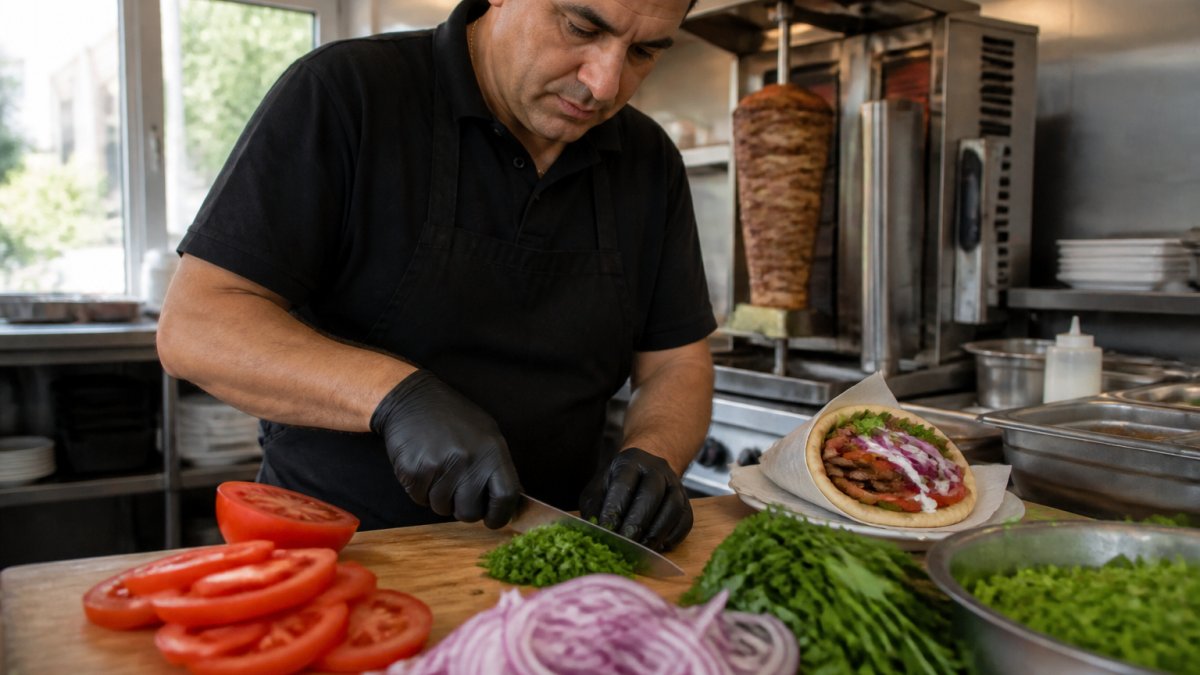
A fresh tomato is sweet and juicy. A tired one is watery and bland. A fresh onion is crisp and clean. An old one is soft and harsh.
The classic gyro toppings are tomato, onion, and often lettuce or fresh herbs. Each one adds something the meat cannot.
- Tomato: Sweetness and acid to cut the richness.
- Onion: Sharp crunch and a savory bite.
- Lettuce or greens: Cool, crisp contrast.
- Fresh herbs: A bright, aromatic finish.
Tomatoes, Onions, and the Case for Fresh Produce
Choosing good produce is a skill, and it takes about ten seconds once you know what to look for.
For tomatoes, pick ones that feel heavy for their size and give slightly when pressed. Skip anything rock hard or mushy. The stem end should smell sweet and earthy.
For onions, look for firm, dry bulbs with tight, papery skin. No soft spots, no green sprouts. Red onions are the classic choice for gyros because their sharpness balances the meat.
A quick produce checklist:
- Tomato feels heavy and gives slightly to pressure
- Onion is firm with dry, tight skin
- Herbs are bright, not yellowed or wilted
- Cucumber is firm and cool to the touch
- No soft spots, mold, or sliminess
Fresh versus prepared toppings is a real trade-off. Pre-sliced vegetables from a store save time, but they lose moisture and crunch fast. Slicing your own right before serving keeps that crisp texture intact.
Tzatziki Sauce for Gyros: Creamy, Cool, and Made Fresh
Tzatziki is the cooling counterweight to a rich, savory gyro. It is made from thick yogurt, grated cucumber, garlic, olive oil, and a touch of acid.
Fresh tzatziki tastes bright and clean. Store-bought versions often taste flat, watery, or overly sour because they sit on a shelf for weeks.
The key step is draining the cucumber. Grate it, then squeeze out the excess water with a clean towel. Skip this and your sauce turns into a puddle.
A simple fresh tzatziki:
- 2 cups thick plain yogurt
- 1 cucumber, grated and squeezed dry
- 2 cloves fresh garlic, minced
- 1 tablespoon olive oil
- 1 tablespoon lemon juice or vinegar
- Salt, and a little chopped dill or mint
Stir it together and chill for at least 30 minutes so the flavors blend. Fresh garlic and cucumber make the biggest difference here. Both lose their punch fast once chopped, so make it close to serving time.
Food Safety and Storage: Keeping Ingredients Fresh
Fresh food is only better if it is handled safely. A few simple habits protect both flavor and health.
The United States Department of Agriculture sets clear guidance on how long perishable foods can sit out. The USDA food safety guidance on the two-hour rule states that perishable foods should not be left at room temperature for more than two hours, or one hour if the temperature is above 90°F.
For gyro ingredients, keep these rules in mind:
- Store raw meat in the coldest part of the fridge, wrapped and separate from produce.
- Keep cut vegetables covered and chilled.
- Refrigerate tzatziki and use it within a few days.
- Reheat leftover meat to steaming hot before serving.
The FDA guidance on refrigerator temperatures and food storage recommends keeping your fridge at 40°F or below to slow spoilage and bacteria growth.
Freshness and safety go hand in hand. Food that has been mishandled loses quality fast, even if it looks fine.
How to Assemble a Gyro for the Best Texture and Balance
A gyro is a balance of hot and cold, rich and bright, soft and crisp. Build it in the right order and every bite works.
Here is a repeatable method:
- Warm the pita in a dry pan until soft and pliable.
- Layer the meat down the center, letting the juices soak in.
- Add the sauce next so it coats the meat.
- Pile on tomatoes and onions for crunch and acid.
- Finish with fresh herbs for aroma.
- Fold and wrap the bottom in foil or paper to hold it tight.
The order matters. Sauce under the vegetables keeps them from sliding out. Meat on the bottom soaks the pita with flavor.
Keep the fillings moderate. An overloaded gyro falls apart and turns into a mess. A balanced one eats cleanly and tastes better in every bite.
The USDA MyPlate guidance on building balanced meals reminds us that a mix of protein, vegetables, and grains makes a fuller, more satisfying plate. A well-built gyro hits all three.
A great gyro is not complicated, but it is unforgiving. Fresh meat, warm pita, crisp vegetables, and made-to-order tzatziki leave nowhere to hide.
At Parthenon Greek Restaurant & Chevy Chase Lounge, we have used imported Greek products and extra virgin olive oil since 1989, and we prepare our signature gyros with the same care as our family recipes.
Parthenon reservations and booking
Get started with Parthenon Greek Restaurant & Chevy Chase Lounge and taste what fresh ingredients really do for a gyro.
Frequently Asked Questions
What makes a gyro taste authentic?
Authentic gyro flavor comes from using traditional gyro ingredients like lamb or beef seasoned with garlic, onion, marjoram, and rosemary. Fresh pita, ripe tomatoes, crisp onions, and homemade tzatziki sauce for gyros complete the experience. The balance of savory meat, fresh vegetables, and creamy sauce is what sets a real gyro apart from a generic wrap.
Why does fresh pita make a difference in a gyro?
Fresh pita is soft, pliable, and slightly warm, which makes it easy to wrap around the fillings without tearing. Stale or refrigerated pita becomes brittle and cracks, letting the juices escape. Fresh pita also has a better aroma and chew, so every bite holds together and delivers the full flavor of the gyro.
What vegetables go in a gyro?
Classic gyro toppings include ripe tomatoes, thinly sliced red onions, and sometimes lettuce or cucumber. Fresh vegetables add crunch, acidity, and color that balance the rich, savory meat. Using produce at peak ripeness makes a noticeable difference in texture and taste, so choose firm tomatoes and crisp onions for the best results.
How do you keep a gyro from getting soggy?
To prevent sogginess, start with a thick, fresh pita and avoid overloading it with wet ingredients. Pat tomatoes and cucumbers dry before adding them, and apply tzatziki sauce in a thin layer rather than a heavy scoop. Assembling the gyro just before serving also helps maintain the crisp texture of the bread and vegetables.