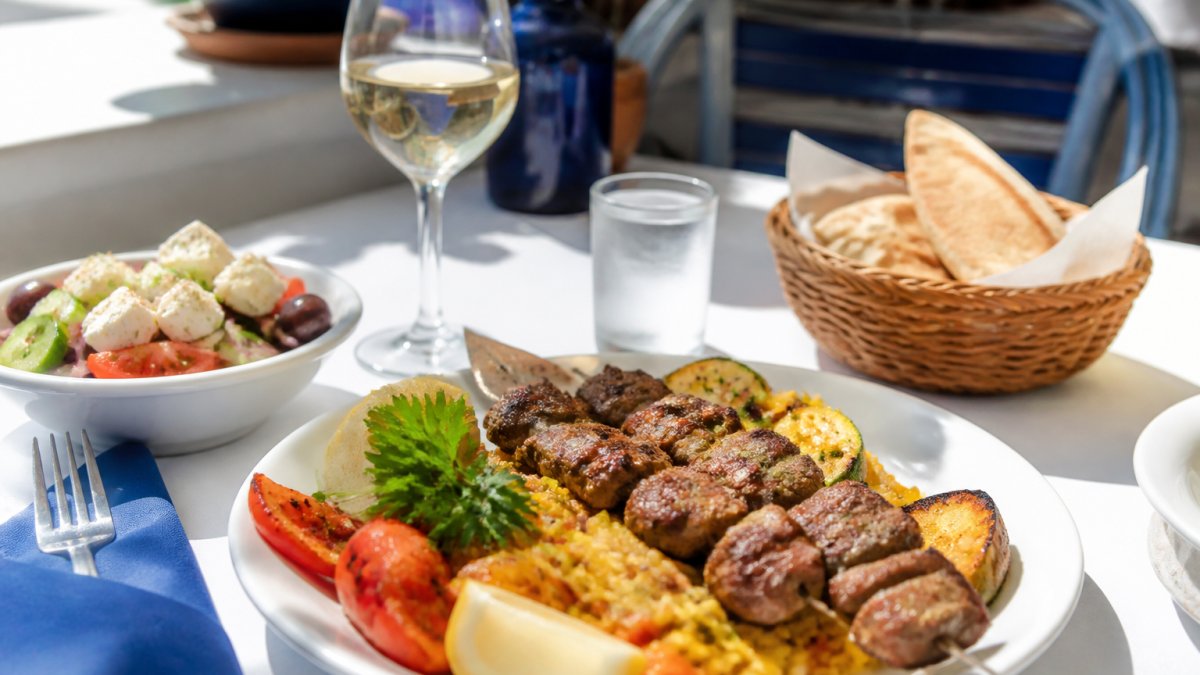
 listicle
Best Greek Restaurant in DC: A 2026 Dining Guide
Table of Contents
- What Makes a Greek Restaurant in DC Worth Your Table
- Greek Restaurant Happy Hour Specials in DC
- Private Event Catering with Greek Cuisine for DC Gatherings
- Neighborhood Favorites and the Local Greek Dining Scene
- Outdoor Seating, Brunch, and the Full Dining Experience
- Signature Dishes and What to Order at a Greek Restaurant in DC
- How to Choose the Right Greek Restaurant for Your Occasion
- Frequently Asked Questions
Last Updated: September 30, 2026
What Makes a Greek Restaurant in DC Worth Your Table
Finding the best greek restaurant in dc starts with one question: does the kitchen cook like it has something to prove? Washington has no shortage of spots serving pita and souvlaki, but the ones worth your time share a few traits. They import their olive oil. They make tzatziki in-house, not from a tub.
Authentic Greek Cuisine vs. Mediterranean Fusion
Authentic Greek cuisine is food rooted in traditional recipes and regional Greek ingredients, while Mediterranean fusion borrows broadly from across the region and adapts dishes for wider appeal.
Greek Restaurant Happy Hour Specials in DC
Greek happy hour specials typically combine discounted small plates with cocktails, wine, and beer in a relaxed, after-work setting. The best versions pair mezze-style bites with drinks that complement them.
What to Expect from a Greek Happy Hour Menu
A strong Greek happy hour menu usually includes:
- Small plates: tzatziki, hummus, olives, dolmades, and warm pita
- Grilled items: souvlaki skewers, lamb sliders, or keftedes
- Cocktails: Mediterranean-inspired drinks using citrus, herbs, and anise
- Wine: Greek varietals like Assyrtiko or Xinomavro by the glass
The draw is shared dining. Happy hour at a Greek spot works best when you order several small plates and pass them around.
Private Event Catering with Greek Cuisine for DC Gatherings
Private event catering with Greek cuisine works well for office meetings, community events, and corporate celebrations because the food travels and holds up. Mezze, grilled proteins, and grain dishes serve beautifully at room temperature or from a chafing dish.
How to Plan a Catered Event for 40 or More Guests
- Confirm your guest count and lock it two weeks out
- Choose a mix of cold mezze, hot entrées, and one or two star dishes
- Ask about dietary needs early: vegetarian, gluten-free, and dairy-free guests
- Confirm delivery timing against your event start, not your setup time
- Request hot-holding equipment if the venue lacks it
- Assign one person to receive and stage the food on arrival
Parthenon has handled private catering for local businesses and community events since 1989, so the logistics of keeping food hot and fresh for a crowd are second nature.
Neighborhood Favorites and the Local Greek Dining Scene
Greek food in this city is not one scene, it is a handful of small ones, and which one you want depends on where you already are and what kind of night you are planning. Organizing your search by neighborhood is faster than scrolling a flat list of names, because each area has its own rhythm: a business-district lunch crowd, a residential dinner crowd, a weekend brunch crowd.
Dupont Circle and the Connecticut Avenue Corridor
Dupont skews toward date nights and small groups. Tables turn slower, wine lists run longer, and you will find more whole-fish and lamb preparations than you will at a lunch-focused spot. Parking is the trade-off, plan on a garage or a rideshare on weekend evenings.
Georgetown and the Waterfront
Georgetown rewards a longer meal. Expect patio seating in warm months, a heavier emphasis on seafood mezze, and prices that reflect the location. This is the corridor to pick when the meal is the event rather than a stop on the way to one.
Capitol Hill and Barracks Row
Hill dining is built around proximity to offices and residents, so lunch service is fast and happy hour starts early. Small-plate menus do the heavy lifting here. If you are feeding a group of coworkers on a weeknight, this is usually the easiest logistics.
Chevy Chase and Upper Northwest
Upper Northwest is where neighborhood loyalty shows most clearly. Restaurants here survive on regulars, not tourists, which means consistent menus, staff who know returning guests, and a mix of families, professionals, and long-time residents at the same tables. Parthenon Greek Restaurant & Chevy Chase Lounge has anchored this corridor since 1989, which is the kind of tenure that only comes from repeat local business.
How to Tell a Neighborhood Institution from a Trend Spot
When you are scouting any of these areas, a few signals separate a place that will still be there in five years from one that will not:
- A menu that has not been reinvented every six months
- Staff who recognize returning guests by name or by order
- A predictable weekly rhythm, the same busy nights, the same regulars
- Ownership that lives in or near the neighborhood it serves
Outdoor Seating, Brunch, and the Full Dining Experience
Ambiance shapes how a meal lands, but "good ambiance" is not a useful filter. What actually matters is whether the setting fits the meal you are trying to have. A patio that is perfect for a two-hour dinner is a bad fit for a 45-minute business lunch, and a brunch menu built for groups is the wrong call for a quiet anniversary.
Evaluating Outdoor Seating Before You Book
Patio quality varies more than indoor dining quality, because weather, street noise, and sun exposure all change the experience. Before you reserve, ask or check for:
- Shade coverage: midday patios without umbrellas or awnings are unusable in summer
- Evening lighting: string lights or lamps extend the usable season into fall
- Street separation: a planter row or low wall cuts traffic noise dramatically
- Seating type: cushioned chairs encourage lingering; backless benches do not
- Heat and cooling: patio heaters in shoulder season, fans or misters in July and August
What a Real Greek Brunch Looks Like
Brunch has become a major draw for Mediterranean-inspired menus, but the good versions are not just dinner plates served earlier. Expect dishes built around eggs, fresh vegetables, olives, feta, and grilled bread, plus cocktails and coffee that pair well with a slow morning.
A strong Greek brunch menu usually includes:
- Egg dishes: baked eggs with tomato and feta, or omelets with spinach and herbs
- Savory pastries: spanakopita and tiropita, often served warm from the oven
- Mezze plates: olives, dips, and warm pita for the table to share
- Grilled items: lamb or chicken skewers for guests who want a full meal
- Drinks: Greek coffee, frappe, and citrus- or herb-forward cocktails
Matching the Room to the Occasion
Sit-down dining, takeout, and delivery all have a place, but the sit-down experience is where hospitality shows. Use this to pick the right room:
Element | What to Look For | Why It Matters |
|---|---|---|
Outdoor patio | Shade, comfortable seating, evening lighting, street separation | Extends the season and the mood |
Brunch | Dedicated morning menu, cocktails, group-friendly seating | Draws weekend crowds and larger parties |
Lounge seating | Low tables, handcrafted cocktails, room for eight to ten | Best for happy hour and office groups |
Main dining room | Warm, modern setting with character | Makes guests stay longer |
Hospitality | Attentive, unhurried service | Turns a meal into a return visit |
Signature Dishes and What to Order at a Greek Restaurant in DC
Signature dishes are the plates a kitchen is known for, and ordering them is the fastest way to judge a Greek restaurant. Start with the mezze, then move to grilled proteins and seafood.
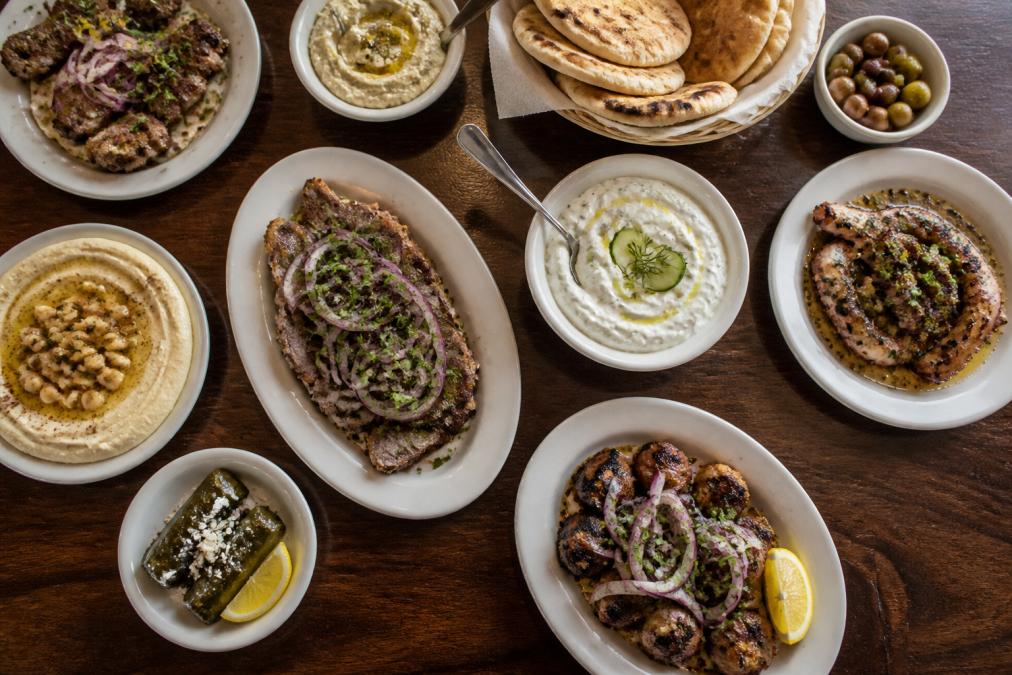
Order like a regular:
- Start with mezze: tzatziki, hummus, dolmades, and warm pita for shared dining
- Add a signature gyro: the classic test of any Greek kitchen
- Go for fresh seafood: grilled octopus, shrimp, or whole fish when available
- Finish with a grilled protein: lamb or chicken souvlaki
Dietary Options Beyond Seafood
Not everyone eats seafood, and a good Greek menu should have plenty of options without it. Grilled meats, legume dishes, and vegetable mezze cover most preferences.
- Vegetarian: hummus, baba ghanoush, falafel, spanakopita, and Greek salads
- Gluten-free: grilled meats, salads, and rice-based dishes (confirm pita and bread handling)
- Dairy-free: many mezze and grilled items, though tzatziki and feta are dairy-based
How to Choose the Right Greek Restaurant for Your Occasion
Match the restaurant to the occasion, not the other way around. A romantic dinner, a business lunch, and a 40-person catered event each call for different strengths.
Use this quick framework:
Occasion | What to Prioritize | Best Fit |
|---|---|---|
Date night | Ambiance, wine list, quiet seating | Sit-down dinner with outdoor patio |
Business lunch | Speed, private space, easy parking | Lounge seating or reserved table |
Happy hour | Small plates, cocktails, group space | Chevy Chase Lounge |
Weekend brunch | Mediterranean plates, cocktails | Brunch service |
Large event | Catering capacity, hot-holding, timing | Private event catering |
Frequently Asked Questions
What are the signature dishes to look for at a traditional Greek restaurant?
Look for mezze like tzatziki, hummus, and dolmades to start, then move to grilled meats such as gyros, souvlaki, and lamb chops. Fresh seafood options like grilled octopus and whole fish are hallmarks of authentic Greek cooking. Moussaka, pastitsio, and spanakopita show how a kitchen handles traditional recipes. At a Greek restaurant in DC that uses imported Greek products and extra virgin olive oil, these dishes will taste noticeably different from places relying on generic suppliers.
Which Greek restaurants in the area are best for happy hour?
The best happy hour spots combine a dedicated lounge space, handcrafted cocktails, and a menu of small plates designed for sharing. Look for a Greek restaurant happy hour that offers mezze-style bites alongside drink specials, since shared dining is central to Greek culture. A separate lounge area matters for office groups who want to gather after work without feeling cramped. Check whether the venue takes reservations for groups and whether the happy hour runs on weekdays when your team is most likely to come.
Are there any Greek restaurants that offer private event catering?
Yes, several Greek restaurants offer private event catering greek cuisine for office meetings, community events, and celebrations. When evaluating a caterer, ask about their capacity for your guest count, how they keep food at safe temperatures during transport, and whether they have handled events similar to yours. A restaurant operating since 1989 has likely managed hundreds of catered events. Request a sample menu and confirm delivery timing before booking, especially for groups of 40 or more.
What should I look for to know a Greek restaurant uses real imported ingredients?
Ask directly about sourcing. Restaurants that use imported Greek olive oil, feta, and oregano will typically mention it on the menu or in conversation. You can also taste the difference: authentic feta is briny and crumbly, while mass-produced versions taste milder and rubbery. Extra virgin olive oil has a peppery finish that stands out in simple dishes like horiatiki salad. If a restaurant claims authenticity, a quick question about where their ingredients come from usually reveals whether the claim holds up.