 listicle
Mediterranean Food for Corporate Events: 7 Key Benefits
Table of Contents
- Why Mediterranean Food Works for Corporate Gatherings
- Health Benefits That Resonate With Modern Workforces
- Fresh, Minimally Processed Ingredients Build Guest Confidence
- Corporate Lunch Catering Menu Ideas That Impress
- Vegetarian Mediterranean Catering Options for Diverse Teams
- How Much Food to Order for a Corporate Event
- Flexibility, Allergen Management, and Dietary Accommodation
- Frequently Asked Questions
Last Updated: October 19, 2026
Why Mediterranean Food Works for Corporate Gatherings
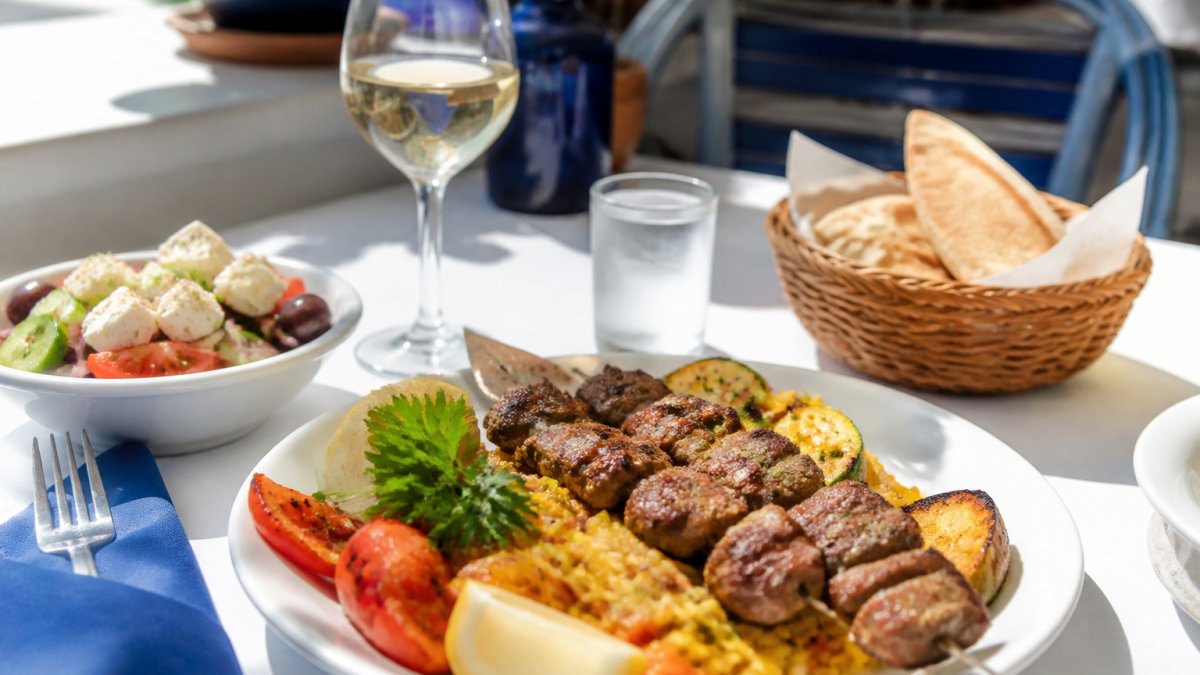
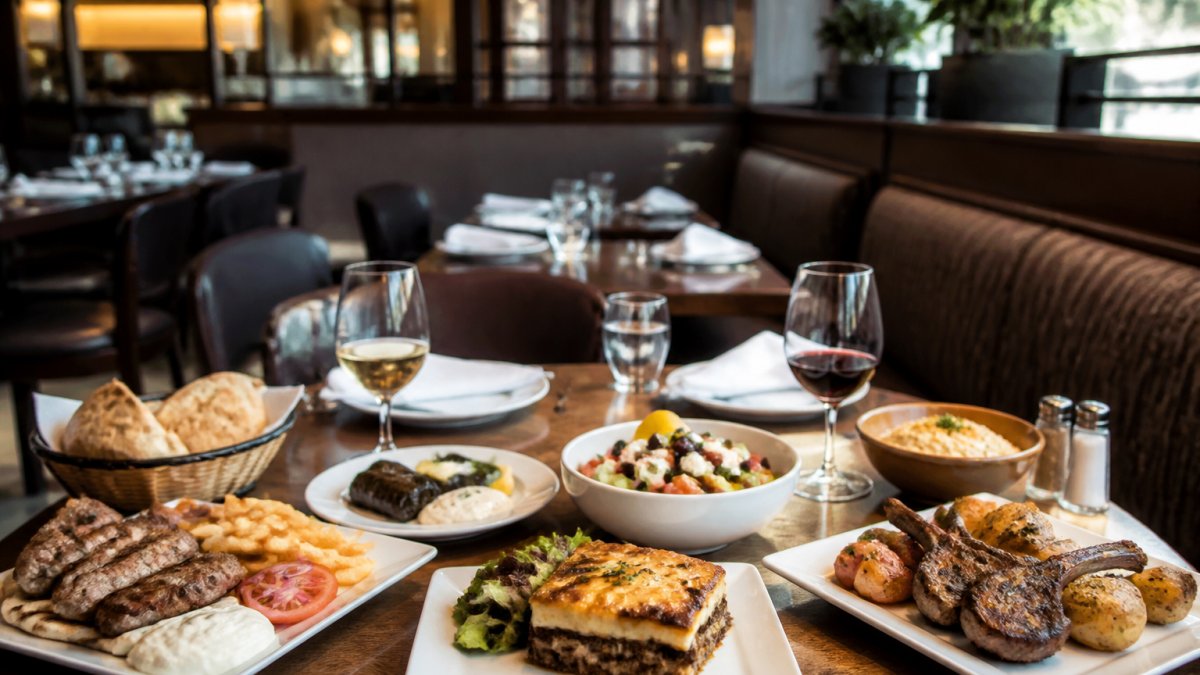
Mediterranean food corporate events have become the go-to choice for professionals who want to impress guests without complex catering logistics. At Parthenon Greek Restaurant & Chevy Chase Lounge, we've seen it transform office gatherings into memorable experiences.
Mediterranean dishes naturally accommodate mixed dietary preferences without separate menus or complicated substitutions. One spread serves meat-eaters, vegetarians, pescatarians, and gluten-conscious guests without anyone feeling like an afterthought, saving planners hours of coordination.
Mediterranean food also carries an inherent perception of quality. Fresh vegetables, olive oil-based dishes, and grilled proteins read as thoughtful and elevated, not generic, setting the tone for the event and the organization hosting it.
Health Benefits That Resonate With Modern Workforces
Employees increasingly care about what they're eating at work events. Mediterranean food for corporate events addresses this directly, built around ingredients that support sustained energy and focus.
Fresh vegetables, whole grains, legumes, and lean proteins provide steady nutrition without the energy crash of heavy, processed meals. Olive oil and nuts deliver healthy fats that keep people satisfied longer.
Guests also appreciate the transparency. Catering from a restaurant like Parthenon Greek Restaurant & Chevy Chase Lounge, which emphasizes fresh, minimally processed ingredients and imported Greek products, means people know exactly what they're eating, no mystery fillings or industrial sauces. That clarity builds trust.
Fresh, Minimally Processed Ingredients Build Guest Confidence
Corporate catering often leaves guests uncertain about ingredient quality, they see food on a plate but can't verify whether it's made with real components or pre-packaged parts. Mediterranean cuisine solves this through visibility.
Mediterranean dishes rely on bold flavors from fresh herbs, spices, and quality ingredients rather than heavy sauces that mask mediocre components. When a Greek salad arrives with visible feta, crisp vegetables, and simple olive oil dressing, guests immediately understand the quality, there's nowhere to hide.
This transparency matters psychologically: people feel better about food when they can identify what's in it. Grilled Mediterranean seafood with seasonal vegetables and herbs reads as "real food"; the same nutrition assembled differently might read as "catering food."
Restaurants like Parthenon Greek Restaurant & Chevy Chase Lounge that prioritize imported Greek products and extra virgin olive oil reinforce this perception of authenticity. Guests notice the difference between generic catering and intentional ingredient selection.
Corporate Lunch Catering Menu Ideas That Impress
A Mediterranean menu impresses corporate guests when it is built around the event's format, schedule, and audience rather than around a generic list of dishes. The same cuisine can be served as a seated plated lunch, a buffet, a boxed working lunch, or a passed reception, and each format calls for a different menu structure.
Match the menu to the service format:
- Plated seated lunch (60-90 minutes): Two courses work best, a mezze or salad opener followed by a composed entrée such as grilled branzino, lemon-herb chicken, or a farro-and-roasted-vegetable plate. Plated service controls portions and timing, which matters when a speaker or agenda follows lunch.
- Buffet lunch (45-75 minutes of service): Offer two proteins, two plant-forward mains, one grain or legume salad, one green salad, bread, and spreads. Buffets give guests choice and reduce per-person labor cost, but require clear serving lines and replenishment planning.
- Boxed working lunch: Keep it fork-friendly and low-mess, a grain bowl with grilled chicken or falafel, a side Greek salad, pita and hummus, and a piece of fruit. Boxed meals are the most reliable format for training sessions and all-day meetings where people eat at their desks.
- Passed reception (2-3 hours): Build around mezze, dolmas, spanakopita, grilled halloumi skewers, lamb or chicken keftedes, and vegetable crudité with tzatziki. Plan on 4-6 passed pieces per guest in the first hour and 2-3 per hour after that.
A strong Mediterranean corporate lunch typically includes:
- Greek salads with feta, olives, tomatoes, cucumbers, and an olive oil-based dressing
- Grilled seafood such as Mediterranean branzino or shrimp with herbs and lemon
- Stuffed vegetables like peppers or tomatoes filled with grains and herbs
- Whole grain and legume dishes such as farro salads or chickpea preparations
- Lean protein platters featuring grilled chicken or turkey prepared Mediterranean-style
- Fresh bread and spreads including hummus and tzatziki
- Seasonal vegetables prepared simply with herbs and olive oil
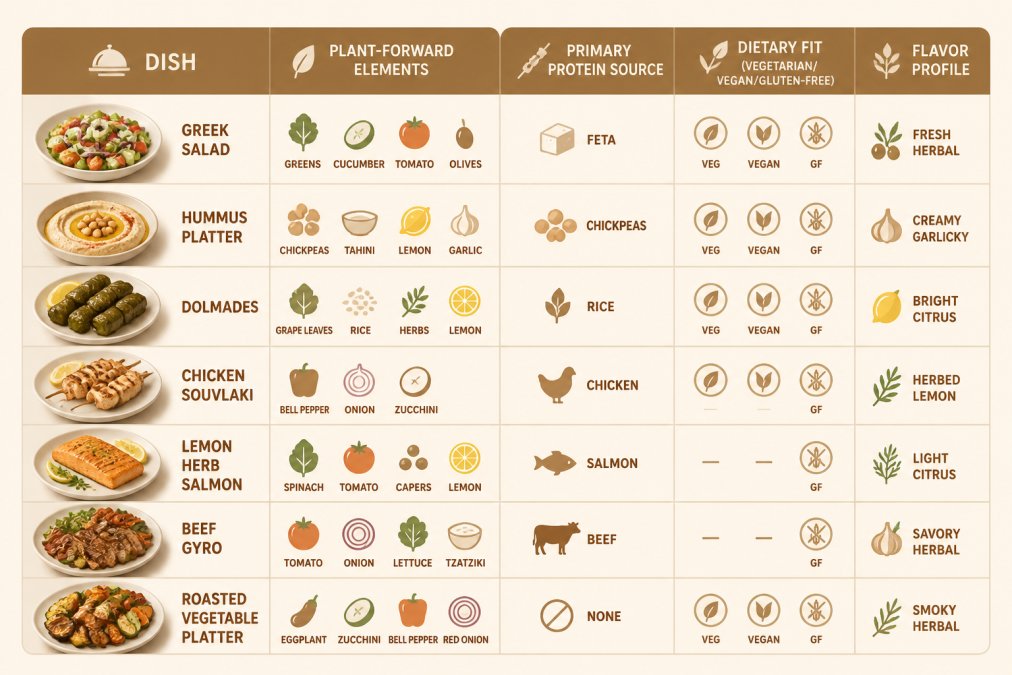
Label every dish for dietary and allergen clarity. Corporate guests increasingly expect to see what they can eat without asking. A simple label card for each platter, listing vegetarian, vegan, gluten-free, dairy-free, and the presence of common allergens such as sesame, tree nuts, shellfish, and wheat, reduces awkward questions, protects guests with allergies, and signals professionalism.
Balance plant-forward dishes with protein options. Mediterranean cuisine leans toward vegetables and legumes, so even protein-focused guests get compelling options. A grilled seafood plate isn't "protein with vegetables on the side", vegetables and herbs are central to the flavor.
Budget trade-offs to plan for. Per-person costs vary by market, service style, and protein selection, so ask your caterer for a per-person quote. Decide early whether the priority is impressiveness (plated seafood, passed hors d'oeuvres) or efficiency (buffet, boxed), because that choice drives most of the budget.
Vegetarian Mediterranean Catering Options for Diverse Teams
Vegetarian options within Mediterranean food corporate events are so abundant that accommodating plant-based team members requires no special effort. This is a major advantage of Mediterranean cuisine for corporate events: dietary accommodation happens naturally rather than through workarounds.
Strong vegetarian Mediterranean options include:
- Mezze platters featuring hummus, baba ganoush, dolmas, olives, and fresh vegetables
- Grilled halloumi cheese with herbs and lemon
- Spanakopita (spinach and feta pastry) and other traditional vegetable-based dishes
- Roasted vegetables with Mediterranean herbs and olive oil
- Lentil and grain salads with bold seasoning
- Falafel prepared fresh rather than frozen
- Saganaki (fried cheese) for protein-rich appetizers
Many of these dishes are naturally vegan or easily adapted with olive oil instead of dairy. A vegetarian Mediterranean spread often looks nearly identical to the full menu, same bold colors, fresh ingredients, and visual appeal. Vegetarian guests aren't eating "alternative" food; they're eating the same cuisine with different protein sources.
This matters for team dynamics: when vegetarian options are genuinely compelling rather than clearly secondary, it reinforces inclusion. Everyone is eating food that was thoughtfully prepared, not selected by default.
How Much Food to Order for a Corporate Event
Calculating the right quantity of Mediterranean food for a corporate event depends on event duration, time of day, whether it is the only food being served, the service format, and the eating patterns of your group.
Starting quantity guidelines for a standard corporate lunch (1.5 to 2 hours):
- Light lunch (before or after a main meal elsewhere): 4-6 ounces per person
- Full lunch (primary meal): 8-10 ounces per person
- Extended lunch or mixed event: 10-12 ounces per person
For afternoon events or receptions:
- Appetizer-style service: 5-8 pieces per person
- Light snacking environment: 8-12 pieces per person
- Full reception meal: 12-15 pieces per person
Account for the dish mix: vegetable-heavy dishes with legumes and grains are more filling than protein-focused plates, so a mezze-and-grain-salad menu requires less overall quantity than one built around grilled proteins.
Service format changes the math. Buffet service usually requires slightly more food per guest than plated service because portions are self-selected and some waste is inevitable; boxed meals are the most predictable because each box is a fixed portion.
Transport, setup, and holding temperature. Cold mezze, salads, and grain dishes travel safely in insulated containers and can be set out on ice or in refrigerated display.
Staffing and timing. Buffet service typically needs one server per 25-40 guests for replenishment and cleanup; plated service needs more staff per guest because every plate is handled.
Budgeting per person. Catering prices vary by market, menu, and service style, so request a per-person quote.
When working with a Mediterranean catering provider, discuss your group size, event format, venue setup, and budget range together. Experienced caterers can translate those inputs into a quantity and service plan based on real corporate events rather than generic averages.
Flexibility, Allergen Management, and Dietary Accommodation
Mediterranean cuisine excels at accommodating dietary restrictions and allergies without creating separate, obviously inferior meals, a major practical advantage for corporate event planning.
Common dietary accommodations:
- Gluten-free: Mediterranean dishes built around vegetables, grains like quinoa, seafood, and olive oil are naturally gluten-free or easily adapted. Avoid bread-based dishes or request gluten-free alternatives.
- Dairy-free: Olive oil-based dishes, grilled vegetables, seafood, and legume salads work without cheese or dairy components.
- Nut-free: Mediterranean cuisine isn't inherently nut-heavy. Ensure dishes don't contain pine nuts or other nuts in dressings or preparations.
- Low-sodium: Request light seasoning or minimal salt in preparation. Mediterranean cooking relies on herbs and spices, so flavor doesn't suffer.
- Pescatarian: Seafood-forward Mediterranean options provide protein without meat.
- Vegan: Plant-forward Mediterranean dishes with olive oil instead of dairy work well.
These accommodations don't require separate menus or obviously different plates. A vegan guest eating a Mediterranean vegetable and legume dish isn't eating "special catering", they're eating the same cuisine as everyone else with a different protein source.
Communicate dietary needs clearly when booking and provide a headcount breakdown by dietary preference. Experienced Mediterranean caterers can prepare appropriate options without complex special requests.
Food allergies require direct communication with your catering provider. Shellfish, tree nuts, and sesame are common allergens in Mediterranean cuisine. A reputable caterer takes allergen management seriously and can confirm ingredient sourcing and preparation methods to ensure safety.
Mediterranean food for corporate events delivers on multiple fronts: it accommodates diverse dietary needs, signals organizational values around employee wellbeing, and creates a memorable dining experience that reflects well on the host company. Its natural flexibility means planners spend less time on logistics and more time on the gathering itself.
When you're ready to book Mediterranean catering for your next corporate event, Experience Greece in DC at Parthenon Greek Restaurant & Chevy Chase Lounge. Our team has been serving authentic Mediterranean cuisine since 1989, and we understand how to deliver the quality, variety, and reliability corporate events require.
Frequently Asked Questions
What Mediterranean dishes work well for a corporate lunch?
Mediterranean catering menus for corporate lunches typically include Greek salads with fresh vegetables and feta, grilled seafood like branzino or shrimp, roasted chicken with herbs and olive oil, stuffed vegetables, hummus with whole grain pita, and legume-based sides like lentil salad. These options offer bold flavors, accommodate multiple dietary preferences, and can be served hot or cold, making them practical for office events. Seasonal produce and lean proteins ensure balanced nutrition that keeps guests satisfied without the afternoon energy crash.
How can Mediterranean catering accommodate vegetarian and vegan guests?
Mediterranean cuisine is naturally plant-forward, making it ideal for mixed dietary groups. Vegetarian options include Greek salads, stuffed tomatoes and peppers with grains and herbs, roasted vegetables with olive oil, hummus, falafel, and legume-based dishes. Vegan guests can enjoy most of these same dishes by omitting cheese and dairy-based dips. Fresh herbs, spices, and quality olive oil deliver bold flavors without relying on meat, so vegetarian and vegan portions feel complete and satisfying rather than like an afterthought. A professional caterer can clearly label dishes and manage cross-contamination to ensure confidence.
How much food should you order for a corporate event?
Consider event duration, time of day, and whether alcohol will be served. Mediterranean catering offers flexibility: you can offer a composed plate or a grazing spread with multiple options. A professional caterer can adjust portions based on your guest count, dietary mix, and budget. Always confirm final headcount 48 hours before service.
Is Mediterranean food a good choice for a business meeting?
Mediterranean food is an excellent choice for business meetings because it balances nutrition, variety, and sophistication. Plant-forward options and bold flavors create a memorable dining experience that reflects well on your organization. The flexibility of Mediterranean menus accommodates diverse dietary needs without requiring separate meals, reducing logistics and cost. Quality presentation and authentic preparation signal respect for guests and demonstrate attention to detail, qualities that reinforce your professional brand.