 listicle
Is Greek Food Worth the Price? A 2026 Value Guide
Table of Contents
- Why Greek Food Costs What It Does
- Authenticity vs. Price: What You Are Actually Paying For
- Essential Mediterranean Dishes for First-Time Diners
- What to Order at a Greek Restaurant for Maximum Value
- Portion Sizes, Satiety, and the Price-to-Nutrient Ratio
- Hidden Costs in Dining and Seasonal Pricing Fluctuations
- Street Food vs. Fine Dining: Two Greek Price Points
- How to Judge Value at a Greek Restaurant
- Frequently Asked Questions
Last Updated: October 1, 2026
Why Greek Food Costs What It Does
Is Greek food worth the price? For most diners, yes, because the cost reflects real ingredients rather than marketing. Greek cooking uses olive oil, feta, yogurt, lamb, and fresh produce in generous amounts. Those items cost more than the fillers used in cheaper cuisines, and that difference shows up on the plate.
The Real Cost of Olive Oil, Feta, and Imported Ingredients
Imported extra virgin olive oil, barrel-aged feta, and Greek oregano carry real freight and tariff costs. A restaurant that uses them cannot match the price of one that cooks with blended vegetable oil and domestic cheese.
Authenticity vs. Price: What You Are Actually Paying For
Authenticity is the gap between a dish made from scratch and one assembled from a freezer bag. You pay for the labor, the imported products, and the skill of the cook.
- Olive oil poured from a tin, not a spray bottle
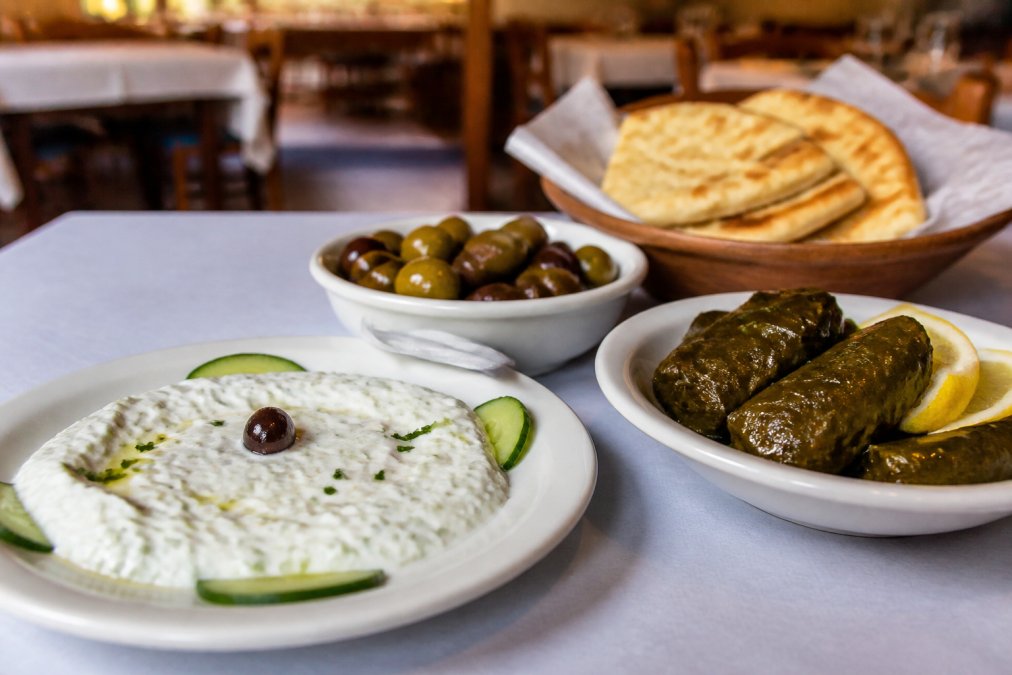
- Tzatziki made from strained yogurt and cucumber, not a packaged dip
- Dolmathes rolled by hand rather than pulled from a can
- Meat stacked and roasted on a vertical rotisserie, not pre-sliced and reheated
Essential Mediterranean Dishes for First-Time Diners
Essential Mediterranean dishes for first-time diners are the mezze spread, a grilled meat or seafood plate, and one baked specialty. That trio gives you a full picture of what Greek cooking does well.
Gyro, Souvlaki, and Moussaka: The Classics
The gyro is the entry point for most people. Meat is stacked on a rotisserie, carved to order, and wrapped with pita, tomato, onion, and tzatziki. Souvlaki takes the same flavors and puts them on a skewer.
Mezze and Vegetarian Options That Deliver Value
Vegetarian diners eat well in Greek restaurants, and that surprises people who assume the menu is all lamb and octopus. The mezze tradition was built on vegetables, beans, and grains.
Strong vegetarian choices include:
- Tzatziki with warm pita
- Dolmathes, grape leaves stuffed with rice and herbs
- Gigantes, baked giant beans in tomato sauce
- Horiatiki, the village salad with feta and olives
- Spanakopita, spinach and feta in phyllo
What to Order at a Greek Restaurant for Maximum Value
Skip the temptation to order every dish fried. Grilled and baked preparations cost the kitchen less in oil, and that saving usually reaches your bill.
Portion Sizes, Satiety, and the Price-to-Nutrient Ratio
Portion size and satiety matter more than the sticker price, and this is where Greek food separates itself from cheaper alternatives. The reason is not portion volume, it is what is inside the portion.
What Satiety Actually Comes From
Satiety is driven by three things: protein, fiber, and fat. A meal high in all three holds you longer than a meal high in refined carbohydrate, even when the carbohydrate meal has more calories.
A typical Greek plate stacks all three:
- Protein from grilled meat, fish, or legumes
- Fiber from horiatiki, gigantes, dolmathes, and vegetables
- Fat from olive oil, feta, and yogurt
A Simple Way to Compare Two Meals
You do not need a nutrition database to make this comparison. Ask three questions about any two options:
- How much protein is on the plate? A souvlaki plate with a side of horiatiki will usually carry more protein than a fried sandwich of similar price.
- Is there fiber, or only starch? Beans, vegetables, and whole grains slow digestion. Fries and white bread do not.
- How long until you are hungry again? If the answer is two hours, the cheaper meal was not cheaper.
Where Greek Food Wins and Where It Does Not
Greek food is not automatically the best value on every axis. Be honest about the trade-offs:
- Wins: protein-plus-fiber plates, legume-based mezze, olive oil as the primary fat, and vegetable volume that most cuisines do not match at the same price.
- Loses: fried appetizers, heavy béchamel dishes like moussaka, and dessert. These are high in refined carbohydrate and fat, and they are where a Greek menu can be just as poor a value as any other.
Hidden Costs in Dining and Seasonal Pricing Fluctuations
Most articles about Greek food pricing stop at the menu number. The real cost of a meal includes fees that never appear on the board, and it swings with the calendar. Understanding both is the difference between a budget that holds and one that surprises you.
The Fees That Do Not Show Up on the Menu
Start with the line items that get added after you order:
- Delivery platform commission. Third-party delivery apps typically take a percentage of the ticket from the restaurant, and many kitchens recover part of that by raising menu prices on the app or shrinking portions. The same gyro platter can cost more on a delivery app than at the counter, and arrive with less food.
- Service charges. Some restaurants add an automatic service charge to parties above a certain size, and a growing number add one to all checks. It is usually printed in small type at the bottom of the menu, not announced by the server.
- Credit card and convenience fees. A small but rising number of operators pass card processing costs to the guest as a separate line. Ask before you pay if the total looks higher than the menu math.
- Tipping expectations. Tipping norms vary by venue. Counter-service spots often have a tip screen at checkout; full-service expects a percentage of the pre-tax total. Budget for it rather than treating it as optional.
Why the Same Dish Costs More in February Than in August
Seasonality is the variable most diners never think about, and it is the one that moves Greek menus the most.
- Tomatoes and cucumbers. Horiatiki depends on both. Off-season, they are shipped in, mealy, and expensive. In peak summer, they are local, sweet, and cheap. A village salad that is a bargain in July can be a poor value in January.
- Seafood. Whole grilled fish is priced by weight and by catch. Availability and price swing week to week, which is why many Greek kitchens print fish prices daily or list them as market price rather than fixing them on the menu.
- Lamb. Lamb is the priciest protein on most Greek menus, and its cost tracks feed and fuel inputs. A lamb-heavy dish is almost always the highest-margin item on the page.
- Olive oil. Olive oil is the single biggest wildcard. Harvests in the Mediterranean alternate between strong and weak years, and a weak year pushes wholesale prices up across every dish that uses oil, which, in Greek cooking, is nearly all of them.
Street Food vs. Fine Dining: Two Greek Price Points
Street food and fine dining serve the same cuisine at two very different price points. The street version is fast, portable, and built for volume. The fine dining version is slower, plated, and built around service and sourcing.
| Factor | Street Food Style | Fine Dining Style |
|---|---|---|
| Typical focus | Gyro, souvlaki, wraps | Whole fish, mezze spreads |
| Service | Counter or walk-up | Table service |
| Portion style | Single handheld | Multi-course |
| Best for | Quick lunch, budget meal | Celebration, business dinner |
| Ingredient sourcing | Standard | Imported and premium |
How to Judge Value at a Greek Restaurant
Judge value by ingredient quality, portion satisfaction, and service, not by price alone. A higher bill with better food and a full stomach is the better deal.
Use this checklist on your next visit:
- Does the tzatziki taste fresh, or does it taste packaged?
- Is the olive oil peppery and green, or flat and yellow?
- Did the mezze fill you up without an entrée?
- Was the fish grilled to order?
- Did the staff explain the dishes without prompting?
Frequently Asked Questions
How expensive is Greek food compared to other Mediterranean cuisines?
Greek food price points often sit in the middle range for Mediterranean dining. The cost reflects imported ingredients like extra virgin olive oil and feta, plus traditional preparation methods. Dishes like gyros and souvlaki tend to be more budget-friendly, while fresh seafood and lamb commands higher prices. The value comes down to portion sizes, ingredient freshness, and whether the kitchen uses authentic components rather than substitutes.
What factors contribute to the price of authentic Greek restaurant meals?
Several factors drive the greek food price you see on a menu. Imported Greek products such as olive oil, oregano, and cheeses cost more than domestic alternatives. Labor-intensive dishes like moussaka and dolmathes require significant preparation time. Fresh seafood pricing fluctuates seasonally. Restaurants that make sauces, dips, and pastries from scratch invest more in kitchen labor, which shows up in menu pricing but also in meal quality and culinary authenticity.
Are portion sizes in Greek restaurants typically worth the cost?
Greek restaurants often serve generous portions, particularly with mezze-style dining where shared plates add up quickly. A plate of gyro with pita, tzatziki, and sides can be filling for one person or split as an appetizer. The price-to-nutrient ratio tends to favor Greek food because meals emphasize vegetables, legumes, olive oil, and lean proteins rather than fillers. Ordering several small plates family-style usually delivers better value than individual entrees.
How can you tell if a Greek restaurant uses high-quality ingredients?
Start with the olive oil. Authentic Greek restaurants use extra virgin olive oil with a peppery finish, not bland vegetable oil. Taste the tzatziki: it should be thick with real Greek yogurt, cucumber, and garlic, not watery or overly sour. Fresh dolmathes have tender grape leaves and bright lemon notes. Ask about the feta; imported Greek feta is creamier and less salty than domestic versions. These details separate authentic kitchens from those cutting corners.